
What is the July birthstone?
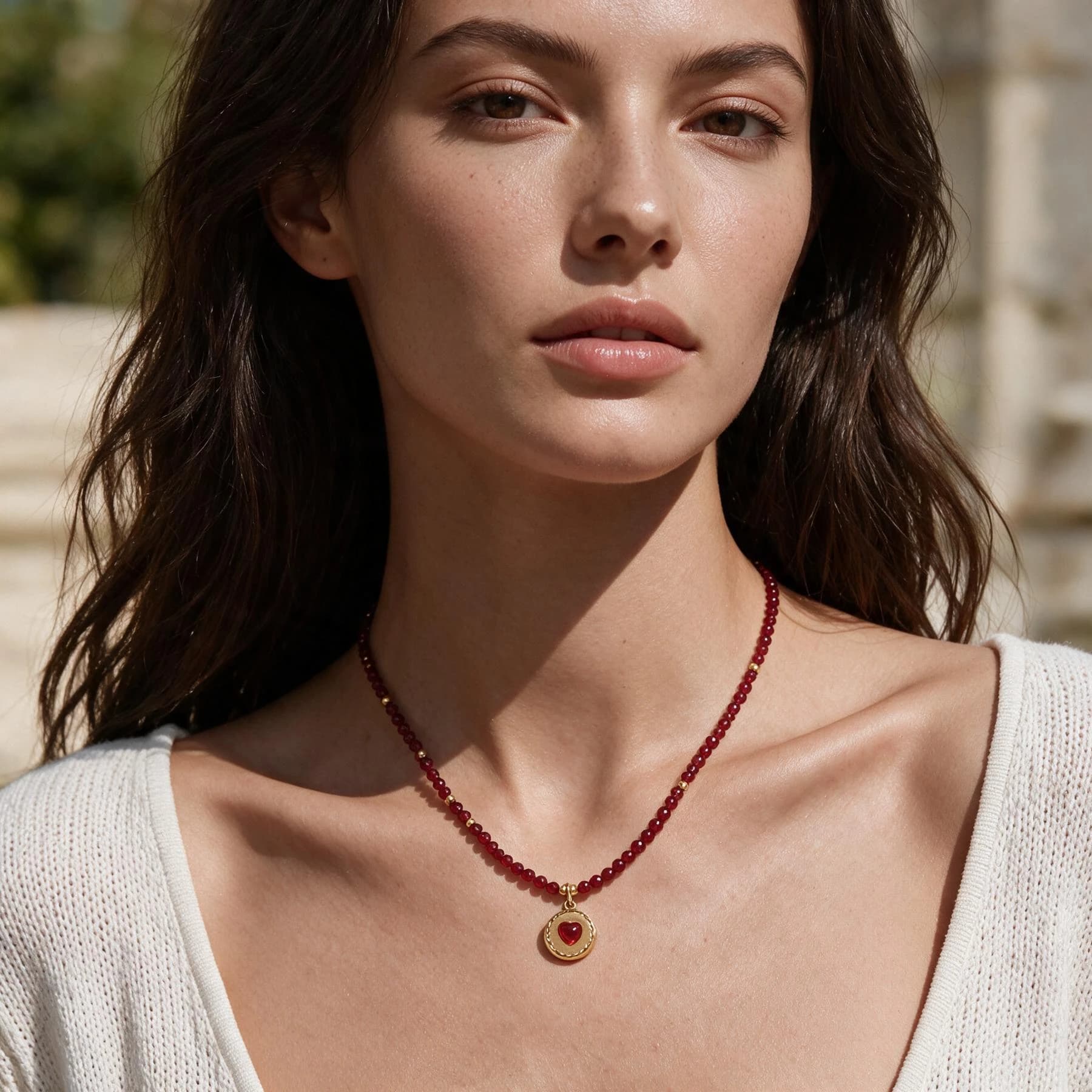
Ruby is the birthstone for July — a red corundum traditionally associated with passion, vitality and courage. Carnelian and red agate are traditional warm-red alternatives with their own long history.

The July birthstone is ruby, a red corundum long called the king of gems and traditionally associated with passion, vitality and courage. Its fire-red color has made it the definitive stone of the heart across cultures.
SHOP JULY BIRTHSTONE JEWELRYThe July birthstone is ruby, a red corundum long called the king of gems and traditionally associated with passion, vitality and courage. Its fire-red color has made it the definitive stone of the heart across cultures.
Ancient warriors in Burma and India wore ruby into battle believing it made them invincible, and in the East red stones broadly — carnelian, red agate, cinnabar — have always signified life force, celebration and protection. Carnelian in particular was the Roman stone of courage, carved into signet rings worn daily.
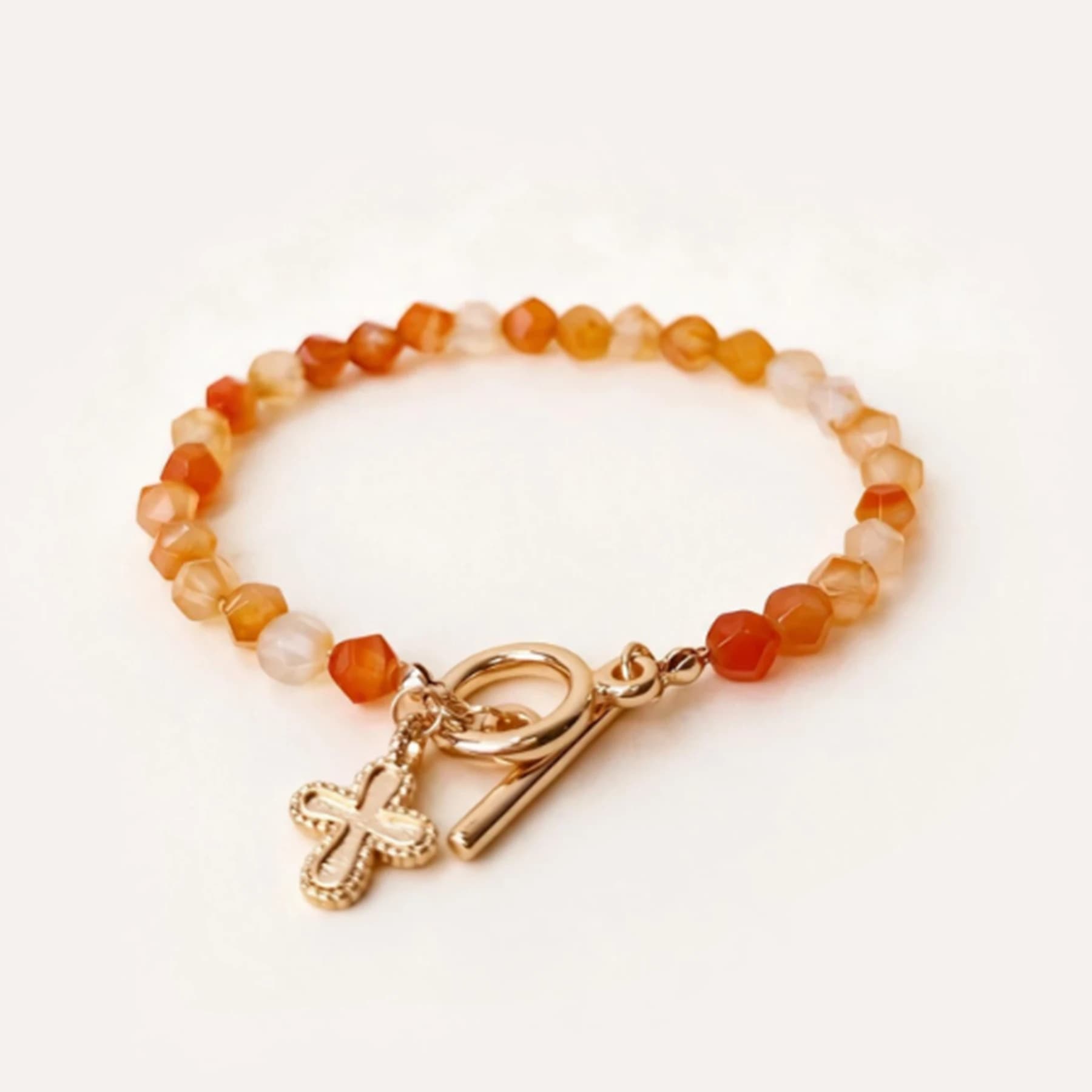
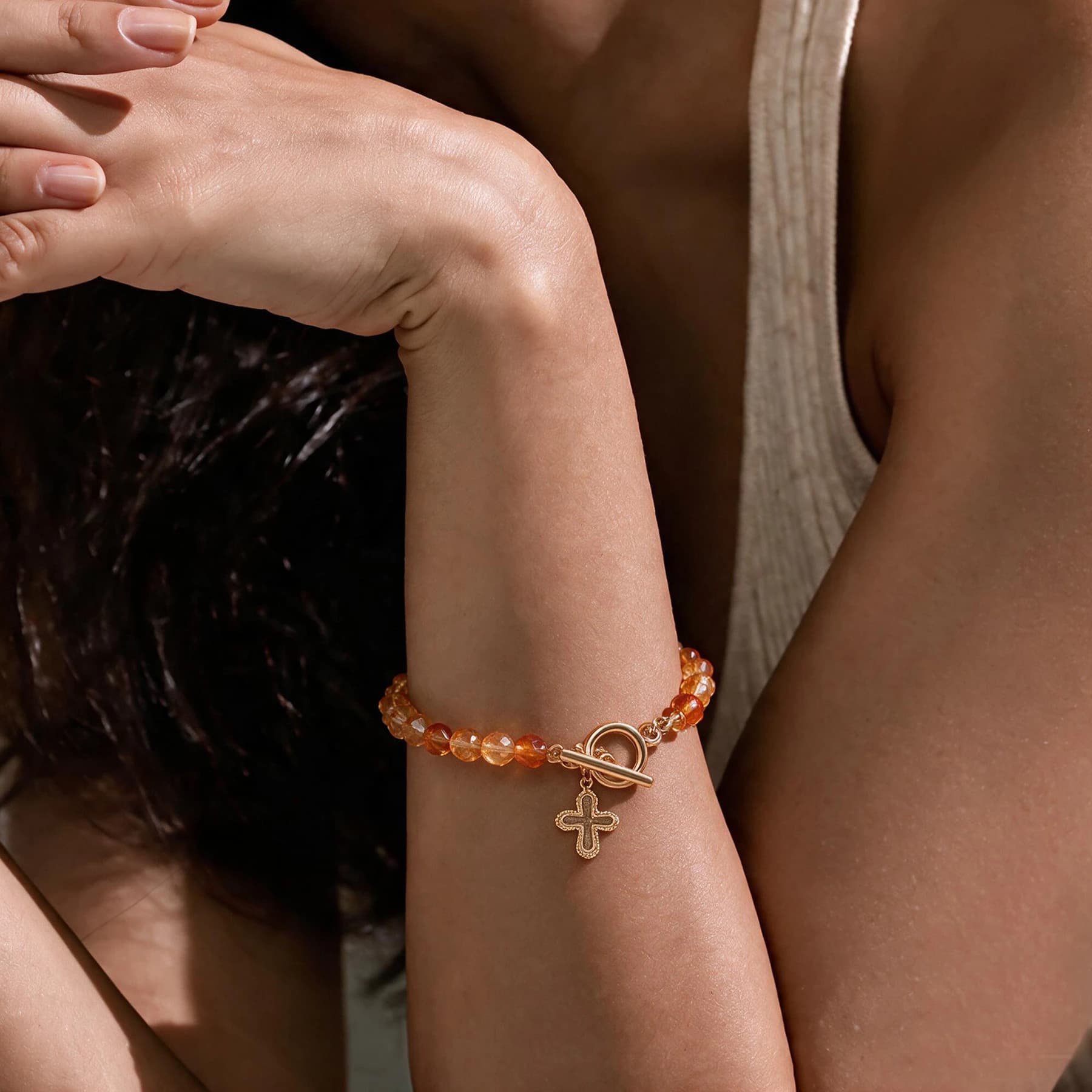
Red stones make confident gifts. For a July birthday, a ruby-toned or carnelian bracelet carries the month's warmth — and red reads as festive in both Western and Eastern gifting traditions, so it rarely misses.
July birthdays fall under Cancer and Leo. The birthstone follows the month; each sign also has its own traditional lucky stone — a different system that happily overlaps.
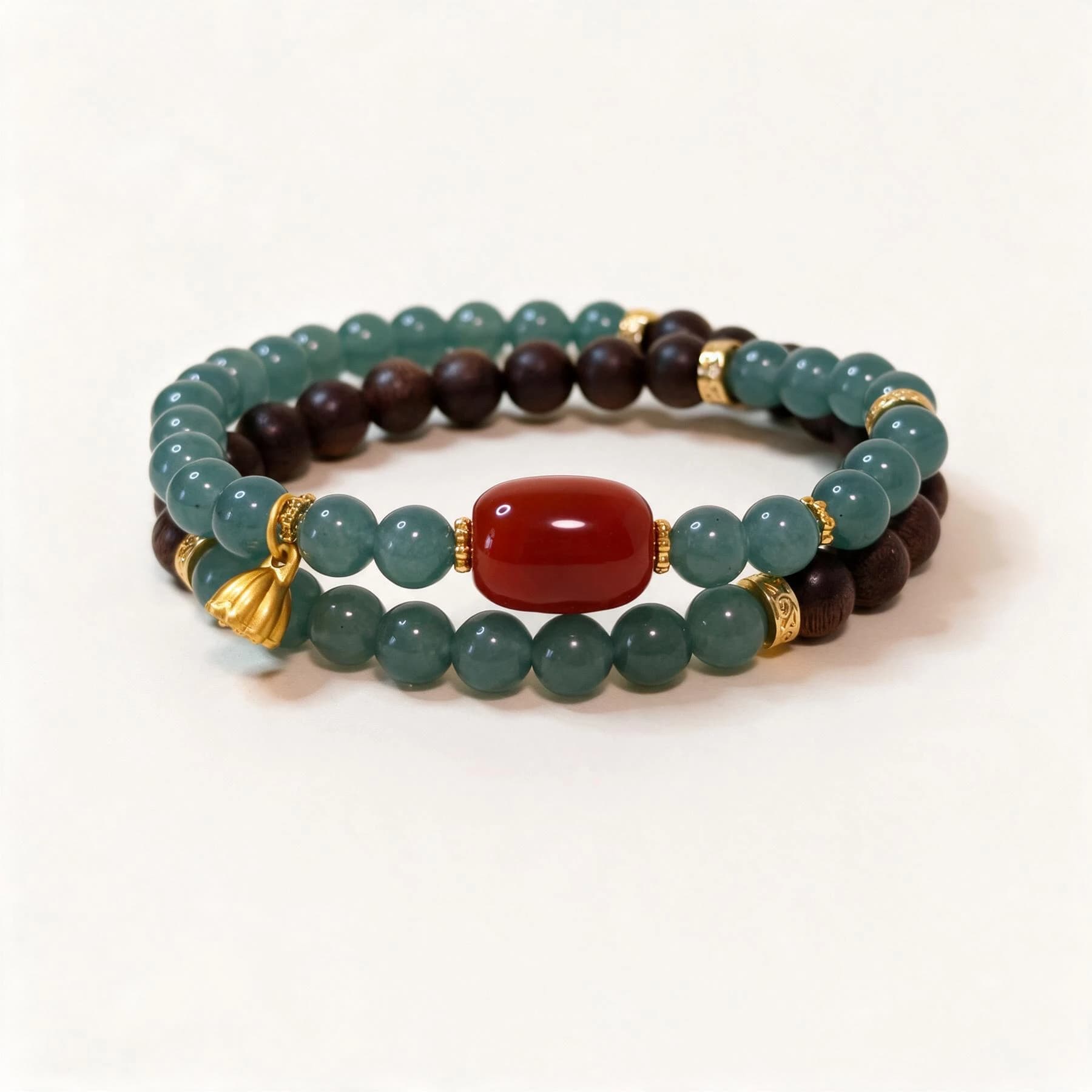
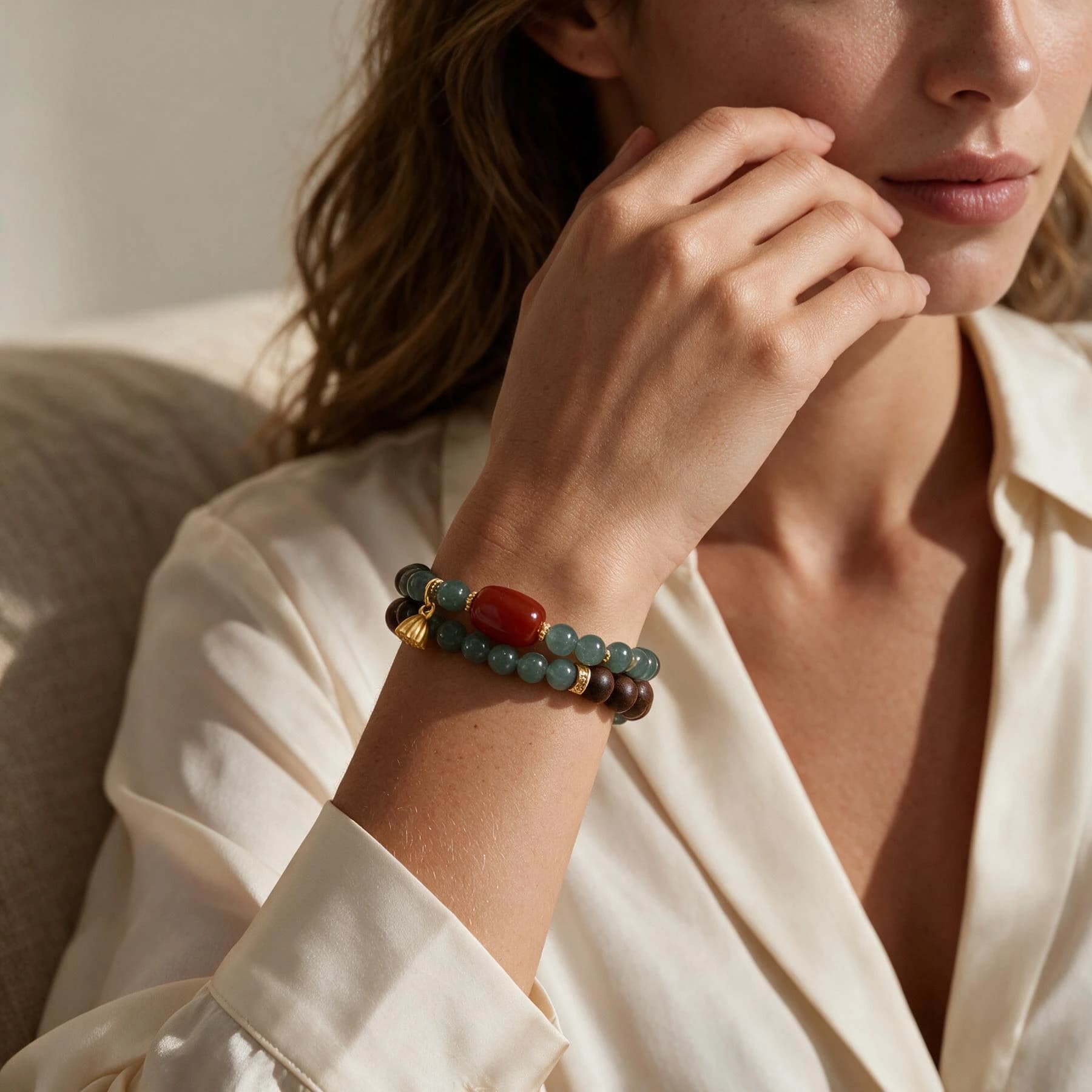
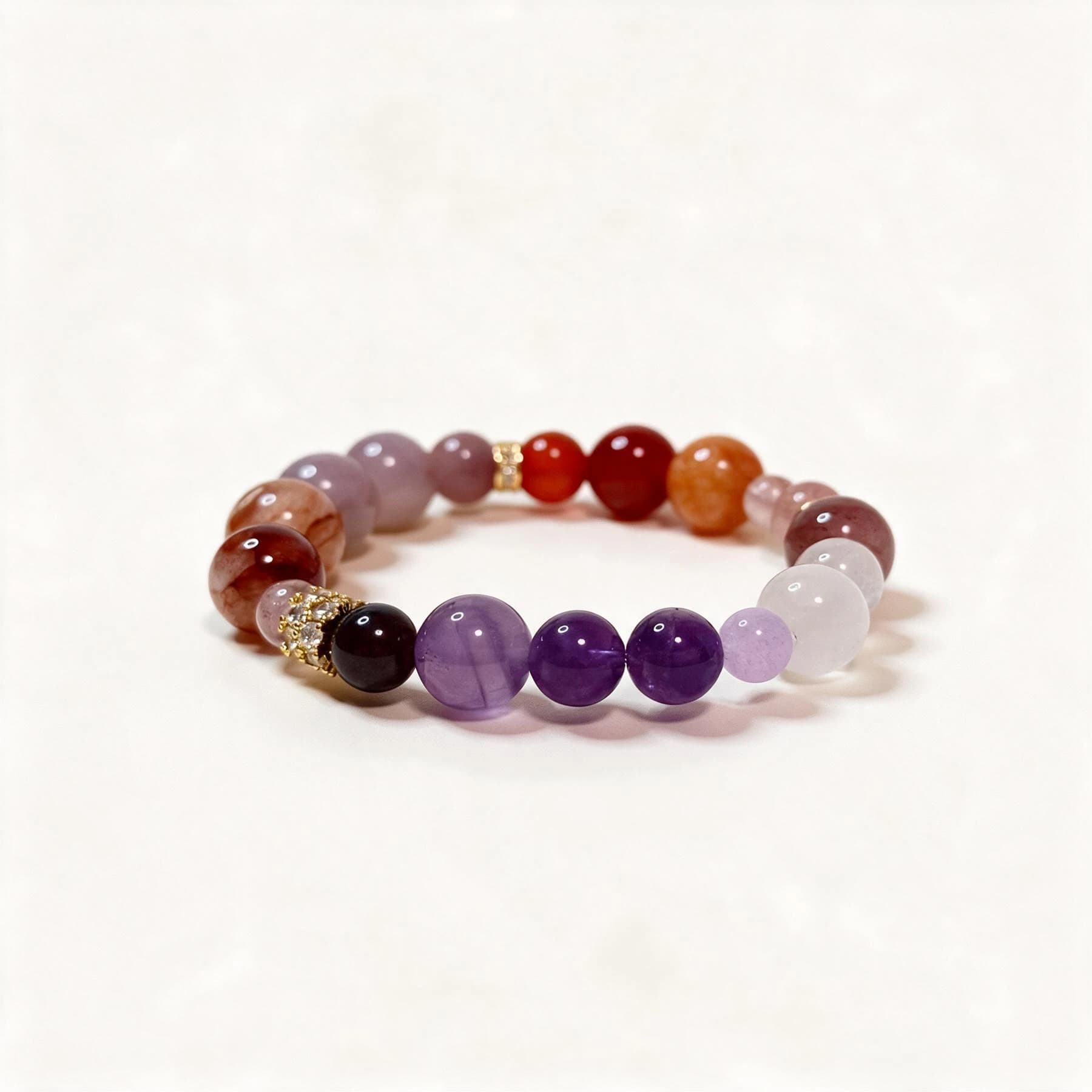
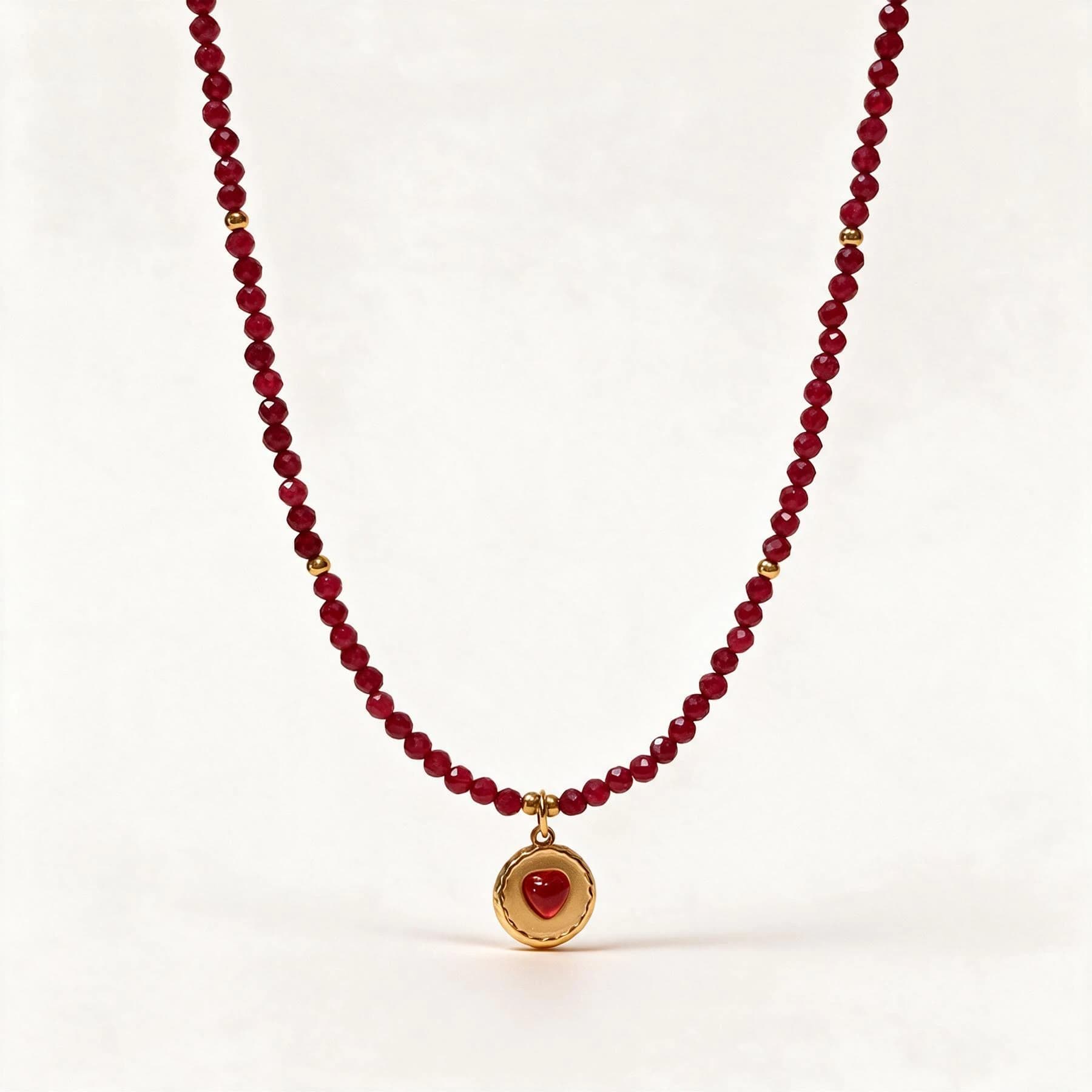
Wear your Ruby birthstone the way you actually live: a bracelet keeps it in sight all day, a pendant rests it near the heart, and earrings or a ring make it part of an occasion. Every July piece below is handmade in small batches and cleansed before shipping.
Ruby is the birthstone for July — a red corundum traditionally associated with passion, vitality and courage. Carnelian and red agate are traditional warm-red alternatives with their own long history.
Carnelian is traditionally associated with courage, motivation and life force. Romans wore it as a stone of boldness, and it remains a popular everyday alternative to ruby's deeper red.
There is no single rule. Many wearers follow the tradition of the left wrist for receiving energy and the right for projecting it — but comfort matters more than convention.
Choosing by intention instead of month? Take the Energy Quiz →